


Bose Lifestyle Collection Leads Wireless Audio Trends


Bose Lifestyle Collection
For years, Sonos owned the conversation around wireless home audio. If someone wanted seamless multi-room speakers or smart home sound, that ecosystem became the default answer almost automatically. But things feel different in 2026.
The new Bose Lifestyle Collection doesn’t look like a cautious update. It looks like Bose finally decided to swing hard at the premium home audio market again.
And honestly? It’s about time. After spending time with the system, the biggest surprise isn’t just the sound quality. It’s how much easier Bose has made the entire experience without sacrificing the “big room” cinematic feel people actually want from modern home audio systems.
A Cleaner, More Premium Direction
The first thing that stands out is the design language.
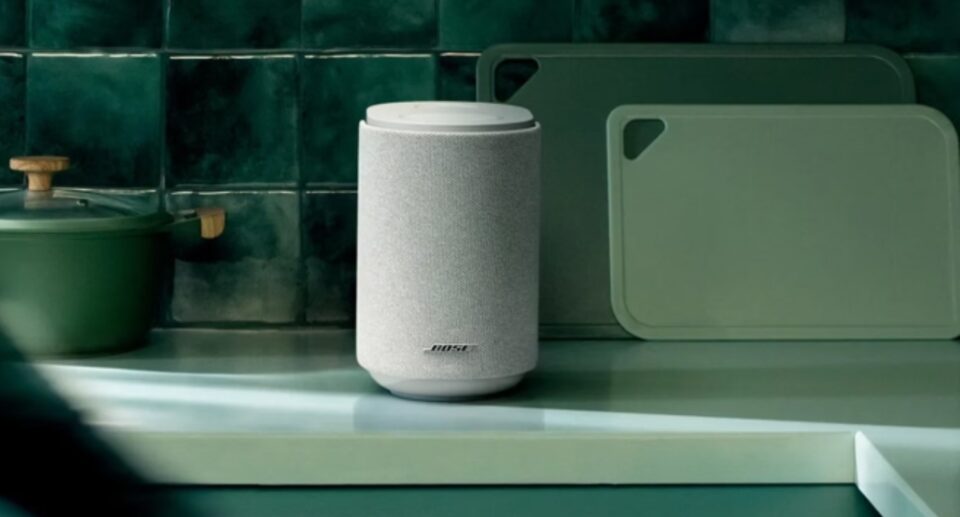
The Bose Ultra Soundbar, Lifestyle Ultra Speaker, and matching subwoofer all feel intentionally understated. No flashy gamer aesthetic. No oversized industrial look. Just clean hardware that blends naturally into modern living rooms. That matters more than people admit.
A lot of wireless speakers 2026 are technically impressive but visually exhausting. The Bose Lifestyle Collection avoids that problem entirely. The glass-topped subwoofer especially feels closer to luxury furniture than traditional audio equipment.
And unlike older Bose systems that leaned heavily toward “plug-and-play simplicity,” this lineup feels genuinely premium from the first setup screen onward.
Bose Lifestyle Collection Delivers Bigger Sound
Here’s where things get interesting. The new Direct/Reflecting speaker array creates a wider soundstage than you’d expect from hardware this compact. Instead of throwing sound straight at you, the speakers bounce audio around the room using ceiling and wall reflections.
The result feels less boxed-in. Watching movies through the Dolby Atmos home theater setup genuinely creates height and movement. Rain scenes sound overhead. Dialogue stays centered. Action sequences carry weight without turning into muddy bass chaos.
That’s partly thanks to the upgraded Bose ADAPTiQ technology, now redesigned around smartphone calibration instead of those awkward old headsets. Setup takes minutes. And yes, it actually works.
Where Bose Finally Challenges Sonos
The real battle here isn’t sound quality alone. It’s flexibility. For years, the bose vs sonos multi room audio comparison 2026 conversation always tilted toward Sonos because of software integration. Bose never fully matched the ecosystem experience. Now it’s much closer.
The Bose Lifestyle Collection supports:
- AirPlay 2
- Google Cast
- Bluetooth 5.3
- Spotify Connect
- Multi-device pairing
That sounds small until you actually live with it. Suddenly, you’re not trapped inside one closed app ecosystem anymore. That freedom matters. Especially for people mixing Apple devices, Android devices, gaming consoles, and smart TVs inside the same setup.
The Hardware Breakdown
Here’s what stands out most in the current lineup:
Bose Ultra Soundbar
- 5.0.2-channel configuration
- Nine-driver setup
- Strong Dolby Atmos performance
- Excellent dialogue clarity
Lifestyle Ultra Speaker
- Compact footprint
- Works as stereo pair or rear channels
- Strong spatial imaging
Lifestyle Ultra Subwoofer
- 10.5-inch woofer
- Cleaner low-end response
- Less distortion at higher volume levels
What Bose gets right here is balance. Nothing feels over-tuned or artificially boosted.
Better for Large Rooms?
This is where Bose may genuinely pull ahead for some buyers. The best wireless home theater systems for large rooms usually struggle with consistency. Either the rear channels lag slightly, or the center dialogue gets buried once the room opens up.
The Bose Lifestyle Collection handles larger spaces surprisingly well. The wireless surround sound remains synchronized even at higher output levels. More importantly, the soundbar doesn’t collapse under pressure when the room gets noisy. That’s a huge deal for open-plan homes.

home audio systems
Hi-Res Streaming Finally Feels Worth It
One area Bose clearly focused on is Hi-Res audio streaming. TIDAL, Apple Music Lossless, and high-bitrate Spotify playback all sound fuller here than on previous Bose systems. There’s more separation between instruments. Vocals feel cleaner. Bass stays controlled.
It still leans slightly warmer than Sonos overall, but many listeners will probably prefer that tuning for long-term listening. Especially during movies.
Should You Actually Switch?
That depends on what frustrates you most about your current setup. If you already own a massive Sonos ecosystem and love the app-first experience, switching probably isn’t necessary.
But if you’ve wanted:
- more flexible connectivity
- stronger cinematic sound
- easier multi-device compatibility
- less ecosystem lock-in
then the Bose Lifestyle Collection suddenly becomes very compelling. And honestly, this is probably the strongest alternative Bose has produced in years.
Conclusion
The premium audio space needed competition again. It was getting predictable. The Bose Lifestyle Collection changes that.
It combines modern wireless convenience with the kind of room-filling sound Bose built its reputation on decades ago. More importantly, it feels designed for how people actually use home audio systems in 2026—not how companies want them to use them.
That’s what makes this launch important. Not because Bose copied Sonos. Because Bose finally stopped chasing and built something confidently different.