


Why Should You Prioritize Playtime? The Essential Role of Play in Child Development

Sure, playtime might seem like a carefree indulgence for your little ones. But beneath the giggles and make-believe lies a powerful force shaping their development – the science of play. Research shows that play is not just about entertainment; it’s essential for building critical skills that will benefit them throughout their lives.
When your children play, they’re not just having fun; they’re actively engaged in a complex learning process. Here’s how play benefits different areas of development:
Cognitive Development
Imagine your child engrossed in a game of make-believe, concocting a magical potion, or setting off on a daring pirate adventure. Through this imaginative play, they’re not just having fun; they’re strengthening their cognitive muscles. They’re figuring out how to sequence events, solve problems creatively, and think critically – all essential skills for academic success and future endeavors.
Social and Emotional Development
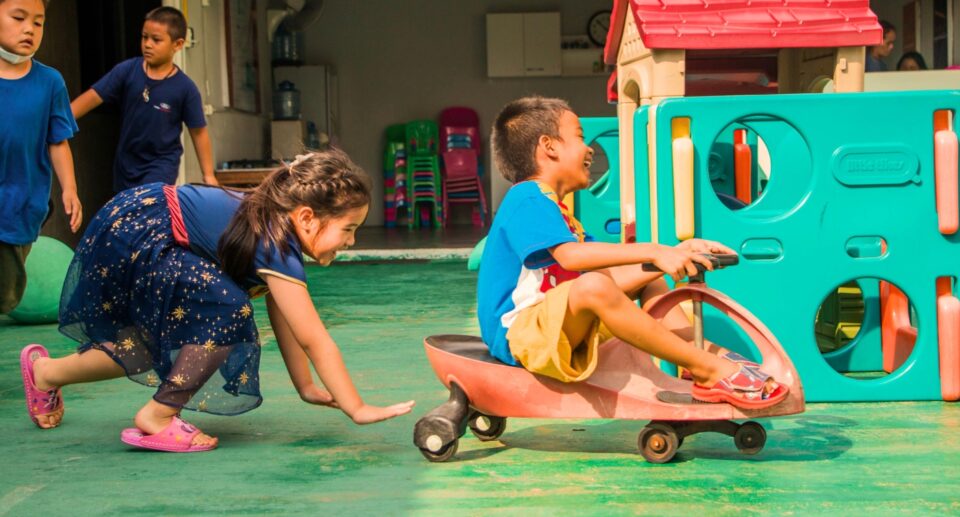
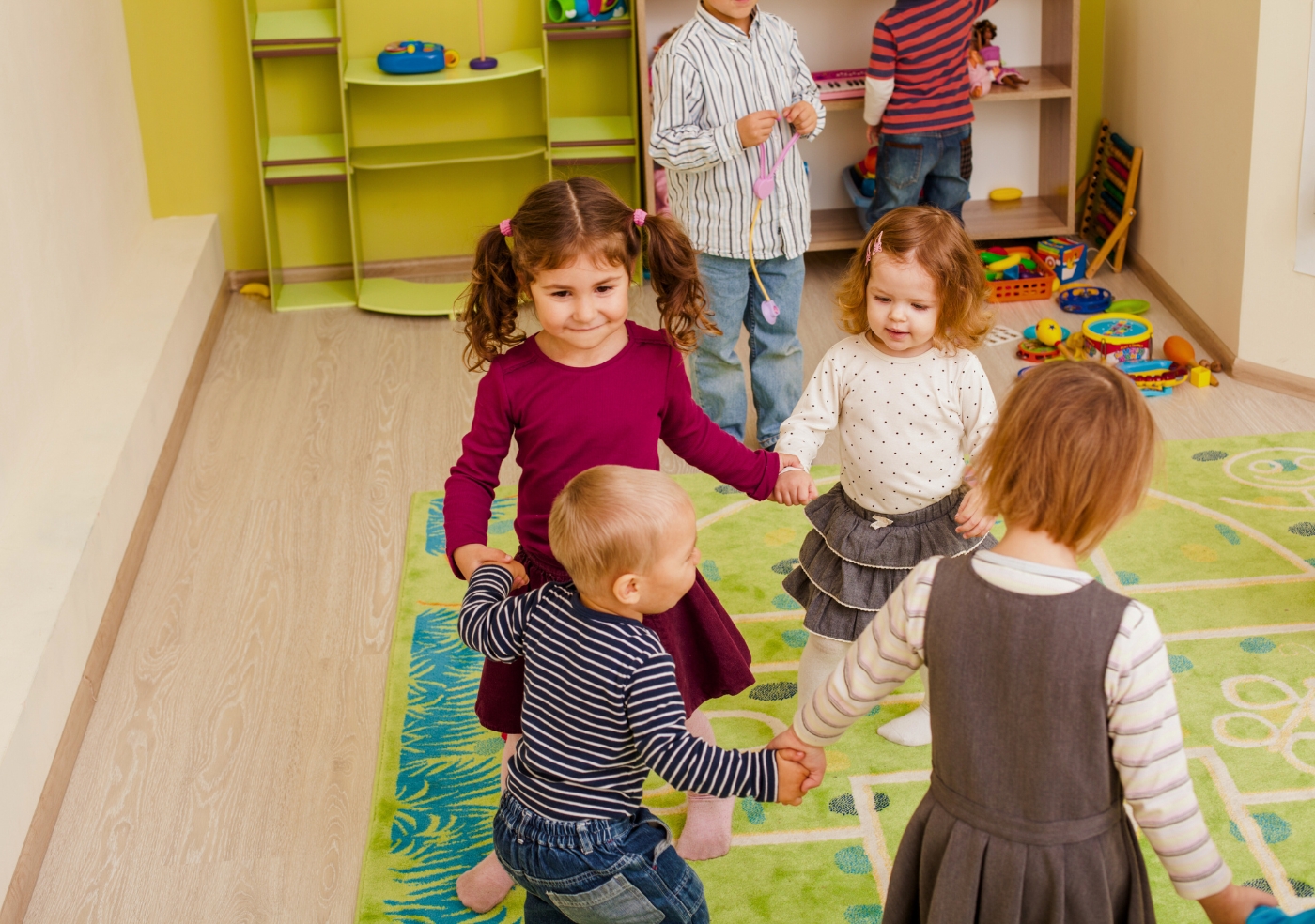
Playing with others fosters important social skills like communication, cooperation, and conflict resolution. Building a block tower together requires teamwork, negotiation, and effective communication. During a game of tag, children learn to navigate emotions like frustration and joy, and develop coping mechanisms for dealing with disappointment. These social and emotional skills learned through play are crucial for building positive relationships, resolving conflicts effectively, and managing their emotions throughout life.
Physical Development
Active play promotes gross motor skills like running, jumping, and climbing. It also helps develop fine motor skills like hand-eye coordination and dexterity, crucial for tasks like writing and dressing. Whether it’s chasing each other in the park or building a fort out of blankets, active play allows children to develop and refine their gross motor skills. Engaging in arts and crafts activities like drawing or threading beads strengthens fine motor skills, laying the foundation for important tasks like writing and dressing later in life.
Language Development
Through interactive play and storytelling, children expand their vocabulary, learn grammar structures, and practice communication skills. Singing songs, reading stories together, and engaging in imaginative play all create opportunities for language development. Children learn new words and phrases, practice using them in context, and develop storytelling skills through interactive play.
The Benefits Go Beyond the Playground
The positive impacts of play extend far beyond the playroom:
- Improved Academic Performance:
Studies show that children who engage in regular play perform better in school. Play helps develop cognitive skills that are essential for learning, such as memory, focus, and attention. - Enhanced Emotional Well-Being:
Play provides a healthy outlet for children to express their emotions, manage stress, and build resilience. It also promotes a sense of joy and well-being, contributing to their overall mental health. - Stronger Social Bonds:
Play helps children build positive relationships with their peers and develop social skills that will benefit them throughout their lives. - Making Time for Play in a Busy World:
In our fast-paced world, it’s easy to underestimate the importance of unstructured playtime. Here are some tips to integrate more play into your child’s routine: - Get Down on Their Level:
Put away your phone and engage in play with your child. Follow their lead and let their imagination guide the experience. This quality time spent playing together strengthens your bond and creates cherished memories. - Provide Open-Ended Toys:
Choose toys that encourage creativity and imaginative play, like blocks, dolls, and construction sets. Limit screen time and focus on toys that spark their curiosity and allow for exploration. Open-ended toys don’t dictate a specific way to play, allowing children to use their imaginations and creativity freely. - Create a Playful Environment:
Dedicate a space in your home for play, filled with age-appropriate toys and materials. Encourage imaginative play by providing costumes, props, and dress-up clothes. Having a designated play space allows children to feel comfortable exploring and expressing themselves creatively. - Let Them Take the Lead:
Don’t over-schedule your child’s day. Allow them time for unstructured play, where they can explore their interests and learn at their own pace. Unstructured playtime allows children to take control of their play experience, fostering a sense of independence and creativity.
As you witness your child’s laughter and excitement during playtime, remember that it’s more than just a moment of joy; it’s a vital investment in their future. By prioritizing play and creating opportunities for exploration and discovery, you’re laying the foundation for a happy, healthy, and successful journey ahead. So, dive into the world of fun and games with your child, and watch as they flourish and grow, one play session at a time.