


Are You Ready to Embrace the Future of The Foldable Smart Phones?

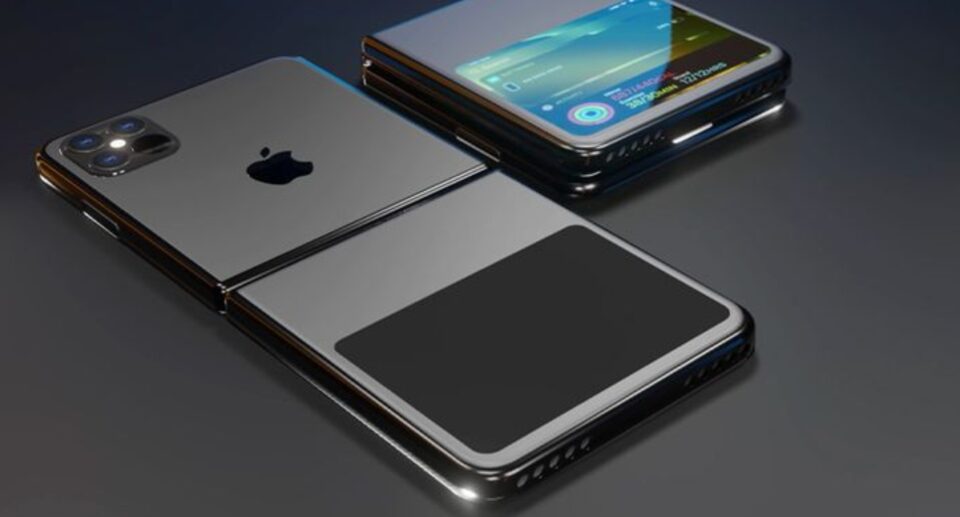
Remember the chunky flip phones of the early 2000s? The idea of a phone that folds in half isn’t new, but today’s foldable phones are a whole different breed. Imagine having a large, tablet-sized screen that neatly folds into a compact phone form factor. Exciting, right? Let’s dive into the world of foldable phones, exploring their evolution, current advancements, and what the future holds for you.
From Prototype to Market Leader
The dream of foldable phones has existed for decades, but limitations in display technology and hinges kept them out of reach. It wasn’t until the late 2010s that things began to change. Companies like Samsung took the lead with the Galaxy Fold in 2019, marking a significant first step. While there were initial bumps in the road, it paved the way for further innovation and the introduction of more advanced models.
More Players Enter the Fold
Samsung isn’t alone anymore. Huawei’s Mate Xs series and Xiaomi’s Mix Fold lines have become strong contenders. Oppo’s Find N series is particularly praised for its durability. Even Apple is rumored to be joining the party with a foldable iPhone expected in 2025. This growing competition means more options for you to choose from, each with unique features and improvements.
What’s Hot in Foldables Today (May 2024):
Multiple Designs: You have two main foldable phone designs to consider. “Flip” phones fold horizontally, reminiscent of classic flip phones, offering a satisfying snap-shut and easy pocketability. “Fold” phones unfold vertically like a book, providing a more expansive, tablet-like experience when opened. This is perfect for productivity and entertainment.
Improved Durability: Early foldables were delicate, raising concerns about long-term usability. Today’s models are much more robust, with stronger, more flexible displays and improved hinges. Manufacturers are using protective coatings and new materials to make foldables more resistant to scratches, scrapes, and even water damage.
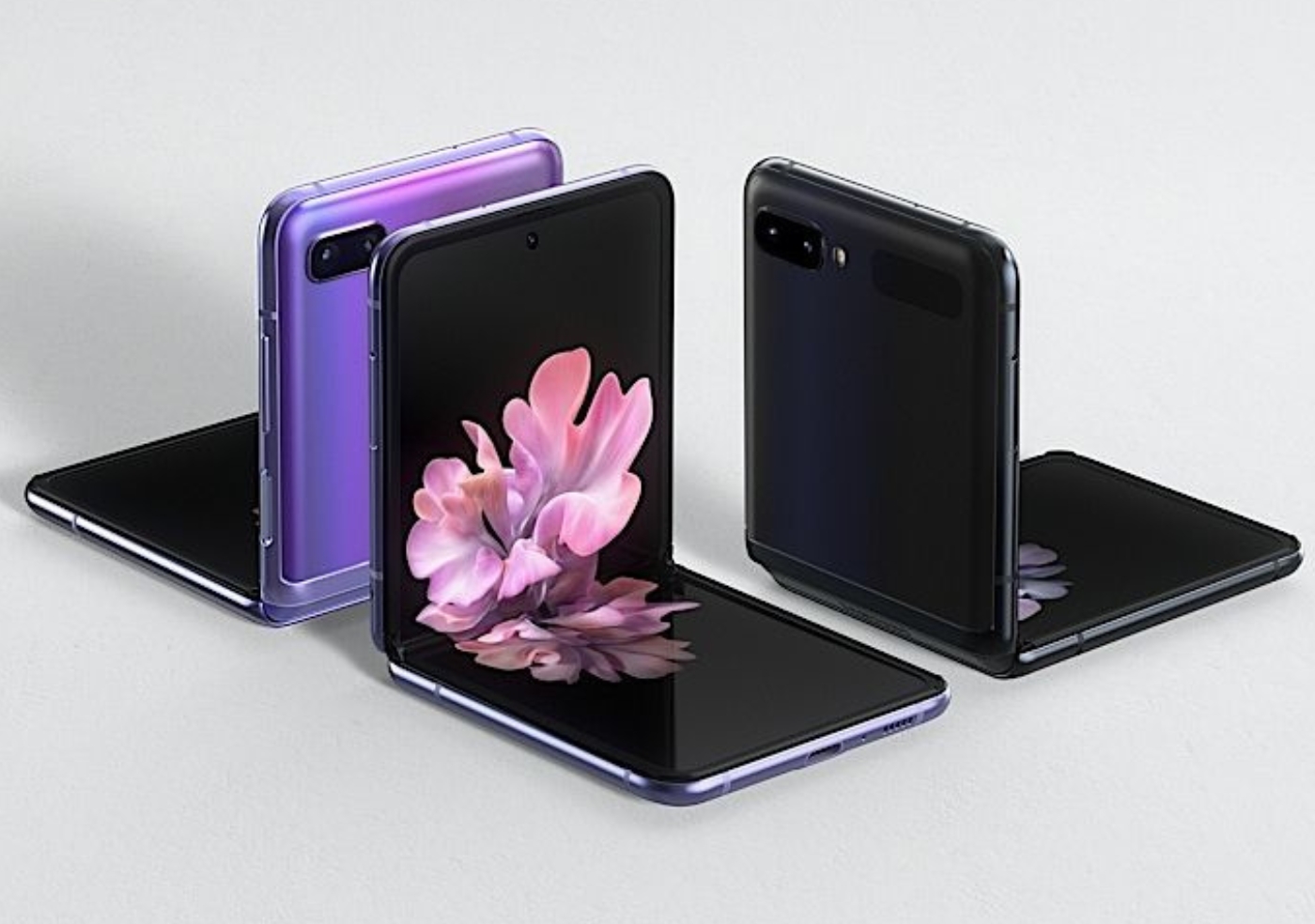 Growing Market, But With a Caveat: While still a niche segment, foldable phone shipments are on the rise. TrendForce predicts global shipments to reach 17.7 million in 2024. However, growth is slowing slightly. This could be because foldables are still on the premium end of the price spectrum, making them less accessible to budget-conscious consumers. Additionally, some users may be waiting to see if the technology matures further before taking the plunge.
Are Foldables the Future?
The jury is still out on whether foldables will completely dominate the smartphone landscape. However, they offer a glimpse into the future of mobile devices, with benefits like increased screen real estate, multitasking capabilities, and unique form factors.
Challenges Remain, But Innovation Continues
Foldables aren’t without their challenges. They tend to be expensive, and some users report a noticeable crease where the fold is. But don’t let that deter you. The tech industry is constantly innovating. Companies are working on reducing the crease and lowering the price point. New materials and engineering techniques are being explored to make foldable even thinner, lighter, and more durable.
Foldable phones are no longer a sci-fi concept. They’re here, and they’re evolving rapidly. With continuous advancements in technology and falling prices, foldables could very well become the mainstream phone form factor in the coming years. Whether you’re an early adopter or prefer to wait and see, one thing’s for sure: the foldable revolution is just getting started. So, are you ready to embrace the future?